
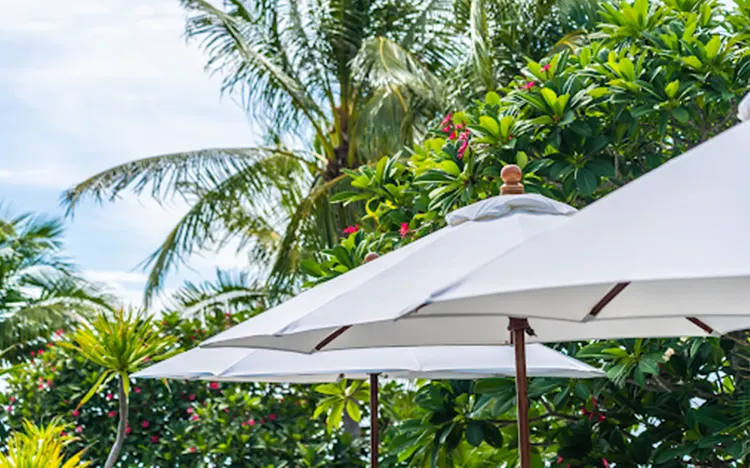
Sometimes you need something solid when events get busy, especially if the weather acts up. Outdoors, things move fast, setups happen quickly, and people show up ready. Wind hits hard, tents wobble, gear shakes loose. A shaky booth isn’t only messy, it puts everyone nearby at risk. Stability matters most when everything else feels unstable. Strong frames and smart builds keep staff safe and guests calm. Reliability doesn’t shout, it simply stands there, doing its job. When rain slashes sideways or heat bakes pavement, what holds firm says more than banners ever could. Performance stays steady because the structure came first, not as an afterthought. Presence means nothing if it can’t endure. Trust grows where chaos stops at the edge of well-built walls, especially with professional custom tent solutions engineered for demanding conditions.
7 Expert Tips on How to Choose a Durable Outdoor Event Tent
1. Aerodynamic Canopy Shapes to Deflect Wind
It turns out the form of a roof does far more than just shed rain. Slanted shapes, especially those rising sharply at the center, guide strong winds smoothly overhead instead of blocking them head-on. When setting up shelters for different events, experience shows you flat tops create problems when storms roll through; they trap wind like fabric on a sailboat, making everything unstable. Wind doesn’t push evenly everywhere, yet certain outlines reduce strain by spreading the load across supports in quieter ways. Over time, these subtle choices keep frames intact even when sudden bursts hit without warning.
2. Reinforced Hexagonal Aluminum Frames
Inside every display, strength begins with the frame. Not just any shape works when things get rough out there. Heavy aluminum built into six-sided forms stands up better than thin square parts. These tough parts hold their ground when pushed sideways during busy events. More contact across each joint means less chance of breaking apart. Over time, that choice keeps everything looking sharp at outdoor spots near oceans or wide open areas. Long-lasting gear stays clean and solid because it was made to handle pressure from the start.
Also Read: How To Take Care Of Yourself As You Get Older
3. High Denier Fabric with Reinforced Stitching
Heavy canvas isn’t just about looks; tight weaving matters more than most realize. What holds up best? A solid 600D polyester, built tough against pulls and rips when winds pick up. Strength hides in details: double-stitched seams at corners stop wild fluttering that wears down weaker setups. Long-term stability comes from materials that refuse to sag or tear under pressure. When everything stays firm overhead, guests step into calm, not chaos.
4. Integrated Venting Systems to Release Uplift Pressure
When strong winds hit, sealed structures tend to fail first. Instead of blocking airflow completely, you prefer canopies built with openings right at the top ridge; these act like emergency exits for built-up air. As gusts push beneath, the pressure is released through those high vents, which prevent the fabric from ballooning upward. That escape route reduces lift, keeping the whole setup grounded even as others struggle. Because of this small design shift, your units stay standing while rival setups collapse under stress, packing up long before the job ends.
5. Strategic Weight Distribution and Anchoring Methods
Stability begins where weight meets the earth. When wind pushes hard, frames alone will never hold. Instead of relying on design strength, you secure each corner with robust anchors, steel plates, dense sandbags, or deep-penetrating spikes. Spreading force across broader ground patches helps. Adding bulk at every support point multiplies resistance in ways most expect least. Your crews treat this step like a quiet promise. It guards everyone nearby. Operations move forward only when balance is certain, not assumed.
6. Modular Sidewall Configurations for Airflow Control
Wind moves differently when walls are built in pieces. Because solid barriers trap gusts, opening gaps with partial walls helps air pass through smoothly. When weather turns blustery, mesh sections work better than closed panels. Flex happens naturally when setup shifts based on location needs. Staff stay comfortable because sudden pressure changes drop off. Open designs cut down how much material faces stormy skies head-on. Adjusting layout piece by piece keeps things safe without sacrificing function. Each site shapes its own version of stability through movable parts.
7. Regular Maintenance Protocols for Long-Term Resilience
Checking the structure often keeps things safe. When you spot weak spots early, especially where pieces connect, it stops small issues from becoming big ones. Frames last longer if dirt and grit are cleared out regularly, since gunk makes moving parts stick or bend under pressure. Your busy calendar means gear gets used hard, so treating each part with care means every build still feels sharp. What others see matches what you aim for: solid, smooth, reliable. The same engineering principles apply across all your solutions, from portable tents to larger-scale custom inflatable arches designed for challenging outdoor environments.
Final Thoughts
When things get tough, staying professional sets top teams apart. Because airflow matters, along with strong materials and careful upkeep, your tents do more than just cover; they hold their ground under pressure. With nature pushing back, planning ahead brings calm; it lets conversations flow even as storms pass by. Only after the structure proves steady can attention turn fully to people, where real progress begins.
Also Read: 7 Effective Ways To Use Your Self-Storage Unit To Improve Your Lifestyle