
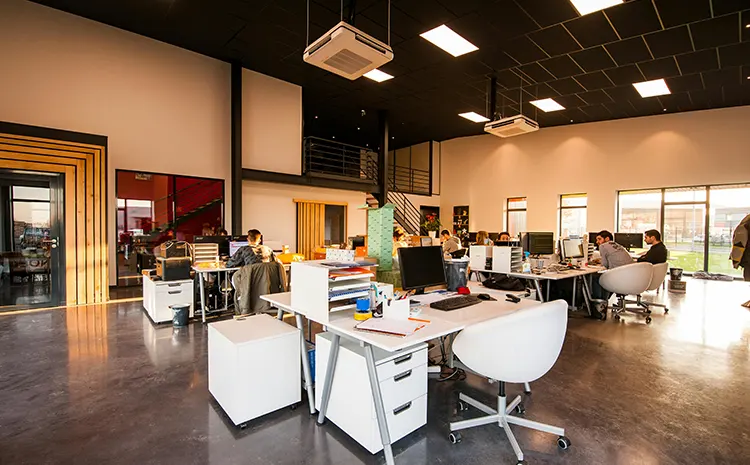
Workplace design used to be about desks, chairs, lighting, and conference rooms. Technology decisions live somewhere else, usually with IT. That setup no longer fits the way businesses work.
Today, an office is not just a place to work. It is a connected environment. People expect clear video calls, fast Wi-Fi, simple room booking, comfortable focus areas, and meeting spaces that support both in-person and remote teams. When any part of that system fails, productivity suffers.
That is why workplace design has become a technology decision. The office now needs to function like part of the company’s digital infrastructure.
The Office Is Now a Connected System
A modern office depends on more than a smart layout. It needs strong connectivity, shared screens, cameras, microphones, booking tools, sensors, access systems, and cloud-based collaboration platforms.
These tools cannot be added as an afterthought. A conference room may look professional, but poor sound or bad camera angles can make hybrid meetings frustrating. An open floor plan may look active, but too much noise can make deep work difficult. A flexible seating plan may sound efficient, but employees still need an easy way to find desks, rooms, and teammates.
Sound is one of the clearest examples. Open offices and shared meeting areas can support teamwork, but they also create distractions. Many companies now view office acoustic solutions as part of the larger workplace technology plan, not just an interior design upgrade. Better sound control can improve calls, support focus, and make the office feel more comfortable.
Lighting is another example. Smart systems can adjust brightness based on occupancy or time of day. Sensors can show which spaces are used most often. Access control systems can improve security without slowing people down at the door.
When these systems work together, the office becomes easier to manage. Leaders can see whether teams need more focus rooms, fewer large meeting spaces, better collaboration zones, or stronger digital tools for hybrid work.
Hybrid Work Raised the Bar
Hybrid work changed the purpose of the office. Employees no longer come in just to sit at a desk. They come in for teamwork, training, meetings, mentoring, and social connection.
That shift means the office has to earn the commute. If employees travel in, the space needs to offer more than they can do at home.
Meeting rooms are now a major test. A room built for people around a single table may not work when half the team joins online. Cameras need to show faces clearly. Microphones need to pick up voices from different parts of the room. Screens need to make shared content easy to see. The room layout, lighting, walls, furniture, and ceiling materials all affect how well the technology performs.
Collaboration areas need the same kind of planning. A lounge with soft chairs may look inviting, but it still needs power, Wi-Fi, and sufficient sound control so people can talk without disturbing others. Quiet areas need more than signs asking people to lower their voices. They need design choices and booking tools that support focused work.
Workplace data also helps businesses make better choices. Occupancy tools can show peak office days, popular rooms, and underused areas. That information can guide lease decisions, renovations, and future space planning.
This does not mean every office needs expensive gadgets. It means companies should connect design choices to real work patterns. The goal is a space that helps people move smoothly between focus, meetings, and collaboration.
The Best Workplaces Make Technology Feel Simple
Good workplace technology should not feel complicated. Employees should be able to walk into a room and start a meeting without searching for cables. They should be able to find a quiet place when they need to focus. They should know where to sit, where to meet, and how to connect with remote coworkers.
These small moments shape the value of the office. A smooth workday builds confidence in the space. A frustrating one makes employees question why they came in.
That is why facilities, IT, HR, and leadership teams need to plan together. Before choosing furniture, layouts, or software, businesses should ask practical questions.
What types of work happen most often? Which meetings include remote employees? Where do people need privacy? Which spaces are always full? Which ones stay empty? What tools slow employees down?
The answers can lead to smarter investments. One company may need more small video rooms. Another may need better sound control near team areas. Another may need stronger Wi-Fi, simpler room booking, or better screens in shared spaces.
This approach can also reduce waste. Instead of spending money on trendy office features, businesses can invest in tools and layouts that solve daily problems.
Smarter Design Is the Future of Work
Workplace design is now part of business technology strategy. The office sits alongside collaboration software, cybersecurity, cloud systems, and data tools in how work gets done.
The best offices will not feel overloaded with technology. They will feel easy to use. People will find the right space faster, meetings will run more smoothly, and teams will move between in-person and digital work with less friction.
Businesses that treat the workplace as a connected system will be better prepared for changing work habits. A smart office is not just attractive. It supports people, improves flexibility, and helps technology do what it is meant to do, make work easier.
Also Read: Risk Management In The Coming Hybrid Workplace Revolution