
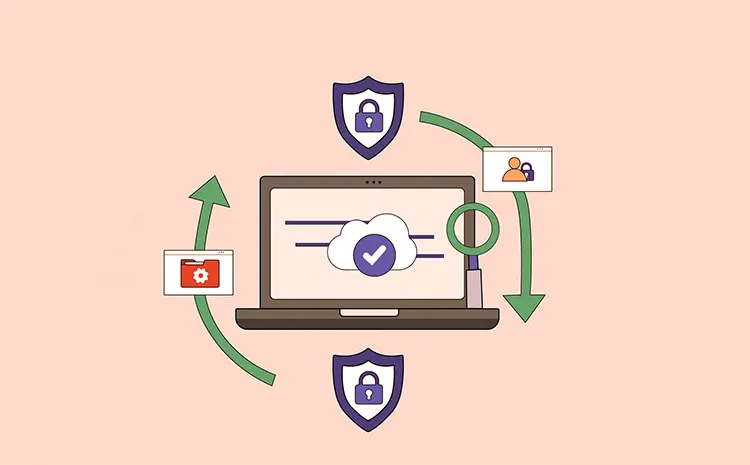
Security teams know the feeling. The ticket queue keeps growing, developers keep shipping, and critical vulnerabilities never seem to arrive one at a time. They pile up. They overlap. They demand attention all at once. For application security leaders, that backlog is not just an operational problem. It is emotional weight. It is the quiet pressure of knowing that every unresolved issue could become tomorrow’s incident.
That is why more teams are turning to automated pentesting. Not because human expertise has lost its value, but because the pace of modern development has changed the rules. Releases move faster. Attack surfaces spread wider. And security programs need ways to keep up without burning people out.
This shift is not about replacing judgment. It is about reclaiming time, reducing noise, and helping teams focus on what matters most.
Why Backlog Becomes a Leadership Problem
Application security backlogs rarely start with laziness or poor planning. They start with scale. A growing company adds more web apps, more APIs, more integrations, and more cloud assets. Each release introduces fresh code paths and fresh risk. Meanwhile, most security teams do not grow at the same rate as engineering.
So the queue grows.
At first, it looks manageable. Then one sprint becomes three. Low-priority findings linger. Medium-risk issues stack up behind urgent tasks. Eventually, even strong teams begin making difficult tradeoffs. What gets tested? What gets postponed? What never gets touched at all?
There is a small story many leaders can relate to here. During a tense review meeting, someone once paused, looked at a dashboard full of red, and said, “We are actually doing good work, but it doesn’t feel like it.” That one word—actually—changed the room. It reminded everyone that effort and impact are not always visible in a crowded backlog. Sometimes teams need better systems, not more guilt.
How Automated Penetration Testing Helps Security Teams Move Faster
The biggest advantage of penetration testing automation is speed with consistency. Manual testing remains essential for deep logic flaws, chained exploits, and nuanced business risks. But not every security task requires a fully manual process from start to finish. Repetitive checks, recurring validations, and broad attack-surface review can be automated to uncover issues earlier and more often.
That matters because backlog is often a timing problem.
When security teams test late, they find too much at once. When they test continuously, issues can be caught before they turn into massive remediation projects. Automated systems can scan regularly, validate known weaknesses, and provide developers with near-real-time visibility into flaws that would otherwise wait weeks for review.
This creates a healthier rhythm. Instead of treating every assessment like a fire drill, teams can build security into daily operations. Findings arrive in smaller, more manageable batches. Triage improves. Prioritization becomes clearer. And leaders gain a more honest view of risk across the environment.
Where Automated Pentesting Fits in an AppSec Program
The smartest teams do not treat automated pentesting as a silver bullet. They use it as a force multiplier.
It fits best in environments where release cycles are frequent and attack surfaces are dynamic. Think customer-facing applications, internal portals, APIs, and staging environments that change constantly. In those settings, automation can run broad, repeatable offensive checks while human testers focus on areas that demand creativity and context.
This layered approach works because security is rarely one thing. It is not just scanning. It is not just testing. It is not just policy. It is a coordinated system.
There is another small anecdote worth holding onto. A security manager once told a stressed engineer to relax before a remediation review. Not because the issue was small, but because panic was making everything worse. That moment mattered. When teams feel crushed by backlog, they stop seeing clearly. Good automation helps remove some of that panic. It brings structure to chaos, which makes better decisions possible.
What AppSec Leaders Should Look For in Automated Tools
Not all platforms deliver the same value. Leaders should look beyond flashy dashboards and ask practical questions.
First, does the tool produce findings that are actionable? If results are vague, noisy, or impossible to reproduce, the backlog may get worse instead of better.
Second, does it support integration with the workflows teams already use? Security results need to land where developers live—ticketing systems, CI/CD pipelines, chat platforms, and issue trackers. If findings stay trapped in a separate console, adoption suffers.
Third, can it help prioritize based on real risk? A long list of technical flaws is less useful than a focused list tied to exploitability, asset importance, and business impact.
Finally, does it complement human testing rather than pretending to replace it? The best tools support collaboration. They give security professionals a running start. They do not try to eliminate the need for expertise.
Using Automated Penetration Testing Without Losing Human Insight
There is a tempting mistake some organizations make once they adopt automation: they assume volume equals coverage. It does not. A thousand test cases cannot always understand a strange business rule, a risky user workflow, or a subtle authorization flaw.
That is why leaders need balance.
Use automated penetration testing to clear the repetitive work, surface common weaknesses, and maintain frequent visibility. Then direct human attention toward complex attack paths, sensitive systems, and high-value targets. This model reduces fatigue while preserving depth.
A final anecdote captures this balance well. During a tabletop exercise, one team member refused to sit and continued to stand near the whiteboard, mapping possible attacker moves. It looked intense, almost dramatic. But the point was simple: some security work still requires people to stand in the problem, to look at it from angles a machine might miss. Automation helps teams reach that moment with more energy and less clutter.
Building a Backlog Strategy That Protects Both Systems and People
Backlog reduction is not just about efficiency metrics. It is also about morale. When security teams feel like they are always behind, even wins can feel temporary. Burnout creeps in quietly. Communication gets sharper. Confidence erodes.
Appsec leaders who adopt automated pentesting wisely can change that pattern. They can shorten the time between discovery and action. They can reduce repetitive manual effort. They can create a program where security testing happens continuously, not only when a crisis forces it.
And perhaps most importantly, they can help their teams feel effective again.
The strongest application security programs are not the ones chasing perfection. They are the ones building sustainable habits at scale. With the right mix of automation, human insight, and thoughtful prioritization, backlog stops feeling like an endless wall. It becomes something you can work through, step by step, with clarity and control.
That is the real promise here. Not magic. Not shortcuts. Just a smarter way forward for leaders who are tired of watching risk pile up faster than their teams can respond.